Health Information
3 Views
Blood Pressure: Don't Wait for Symptoms
Posted By د. عبد الرحمن بن سالم الكواري Dr. Abdulrahman Salem Al-Kuwary |
2026-11-19
You may hear someone say:
“I don't have high blood pressure. I don't experience headaches or dizziness.”
But here's the problem: high blood pressure can go undetected for years without causing any noticeable warning signs. That's why relying on how you feel is not a reliable way to know whether your blood pressure is elevated.
## What exactly is blood pressure?
When the heart pumps blood throughout the body, the blood exerts pressure against the walls of the arteries. This pressure is essential for maintaining proper blood circulation.
However, when blood pressure remains consistently high, it places additional strain on the heart and blood vessels. Over time, this can affect vital organs, including the heart, brain, kidneys, and eyes.
And this is where the real concern lies:
**Damage can begin long before symptoms appear.**
## Does a headache mean my blood pressure is high?
Not necessarily.
This is one of the most common misconceptions. A person may experience a headache while having normal blood pressure, while someone else may have high blood pressure without experiencing any headaches at all.
That's why we cannot simply assume:
“I feel like my blood pressure is high.”
Nor can we conclude:
“I feel fine, so my blood pressure must be normal.”
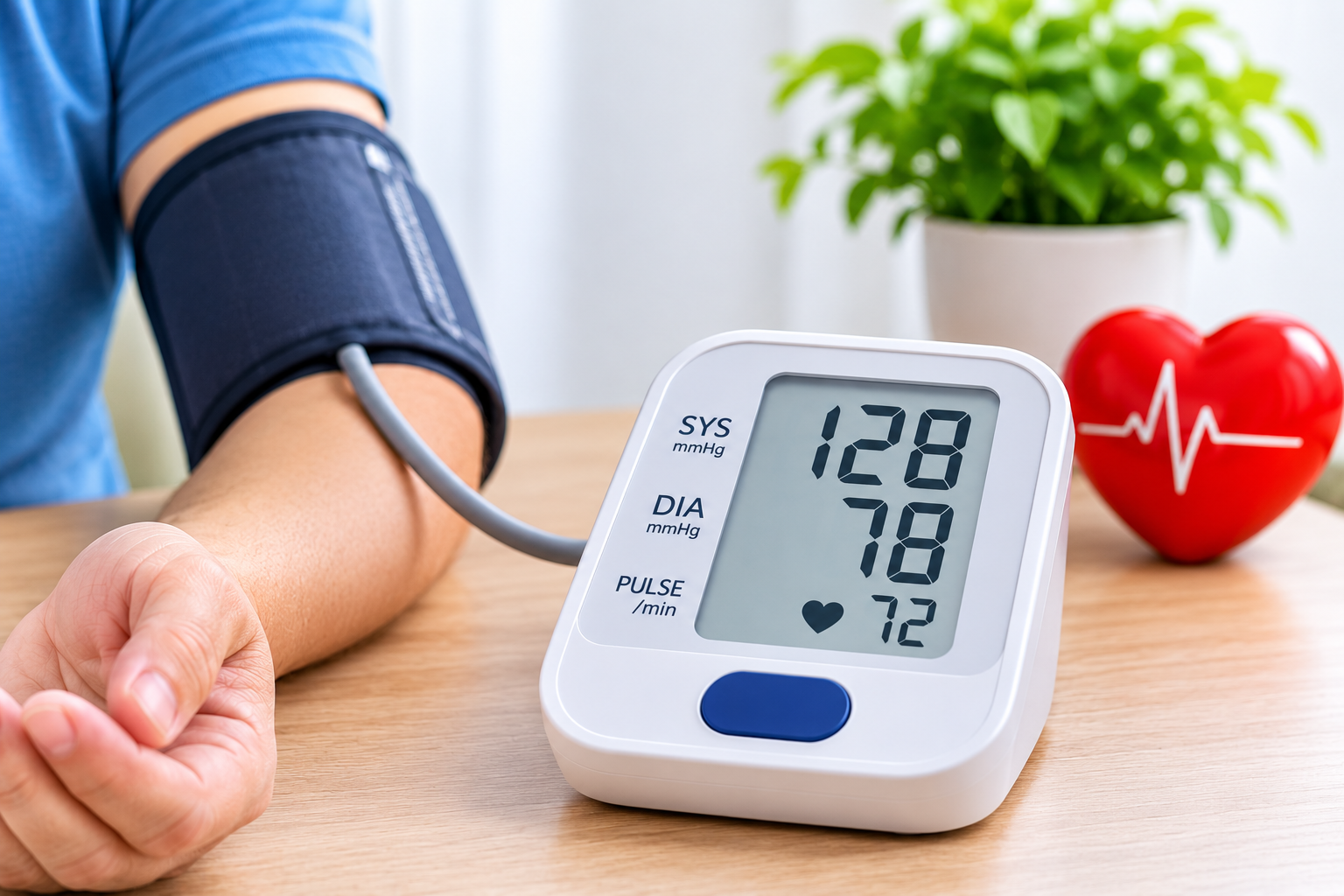
The simplest and most reliable way to find out is to have your blood pressure measured correctly.
## Who needs to pay closer attention?
Every adult should know their blood pressure readings. However, monitoring becomes particularly important as we age, or if we are overweight, have diabetes or kidney disease, or have a family history of high blood pressure or heart disease.
The good news is that measuring blood pressure is simple, quick, and painless.
What matters, however, is making sure it is measured correctly.
## How can you measure your blood pressure accurately?
Avoid measuring your blood pressure immediately after climbing stairs, walking briskly, or experiencing emotional stress.
Instead, sit quietly for a few minutes, keep your back comfortably supported and your feet flat on the floor, position your arm correctly, and avoid talking during the measurement.
Also, make sure the blood pressure monitor cuff is the appropriate size for your arm.
If you get a high reading once, don't panic. A single elevated reading is generally not enough to diagnose high blood pressure. Depending on your situation, repeated measurements at different times, home blood pressure monitoring, or a medical assessment may be needed.
## What if high blood pressure is detected?
This is where early detection makes all the difference.
Having high blood pressure does not mean that a person is destined to develop complications. On the contrary, knowing about it gives us an opportunity to take action.
Management may include reducing salt intake, adopting a healthier diet, maintaining a healthy weight, staying physically active, getting enough quality sleep, and avoiding smoking, alongside medication when necessary.
And if your doctor prescribes blood pressure medication, you should not stop taking it simply because your readings have returned to normal.
They may be normal precisely because the treatment is working.
## When is it an emergency?
Severely elevated blood pressure accompanied by concerning symptoms such as chest pain, shortness of breath, vision disturbances, sudden weakness in an arm or leg, difficulty speaking, or altered consciousness requires urgent medical attention.
But our main message is much simpler:
**We don't want to wait until symptoms appear.**
We want to detect high blood pressure early.
Just a few minutes spent checking your blood pressure could reveal a problem you didn't know existed and give you an opportunity to protect your heart, brain, and kidneys for years to come.
## A Step Towards Well-being
Don't wait for your body to tell you that your blood pressure is high.
Check your blood pressure, know your numbers, and take action early.
Because well-being doesn't begin when we become ill; it begins with a small step we take before illness strikes.

comments
No Comments