Health Information
40 Views
Useful feeding for breastfeeding: tips for mothers
Posted By مايو كلينك |
2026-08-09
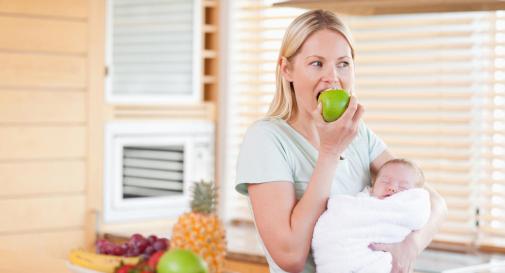
Proficient feeding of breastfeeding can cause confusion and confusion. How much should I eat? What should I avoid? How can diet affect a child? The following important nutrition tips should be followed.
If you breastfeed your baby, you’re providing him with nutrients that support his or her growth and health. However, you may have questions about the best foods and drinks and how your diet affects your breast milk and your baby.
Be sure to understand the basics of breastfeeding nutrition.
Do I need extra calories during breastfeeding?
Yes, you may need to eat a little more, by 330 to 400 calories per day, to give you energy and nutrition to produce milk.
To get those extra calories, choose a rich nutrient such as a slice of whole grain-rich bread with a tablespoon (about 16 grams) of pistachio butter, a medium-sized banana or apple, and approximately 227 grams (8 ounces) of milk.
What foods should be eaten while breastfeeding?
You should focus on healthy choices that help you increase milk production. Choose protein-rich foods such as light-fat meats, eggs, dairy products, legumes, lentils, and low-mercury seafood. Choose multiple types of whole grains, as well as fruits and vegetables.
Eating a variety of foods while breastfeeding will help change the flavor of breast milk. Your child tastes different flavors that may help him to easily accept solid foods in the future.
To make sure you and your baby have all the necessary vitamins, your doctor may recommend continuing to take supplements that contain multiple vitamins and minerals daily until your baby weans.
How much fluid do I need to take during breastfeeding?
Drink when you’re thirsty, and drink more if your urine looks dark yellow. You can drink a glass of water or another drink every time you breastfeed your baby.
However, beware of juices and sugary drinks; massive amounts of sugars can cause weight gain, or can lead to your efforts to lose weight gain during pregnancy. Consuming a large amount of caffeine can also cause problems. Put a limit on yourself by not making more than 2 cups to 3 cups (16 to 24 ounces) a day. The presence of caffeine in breast milk may cause your baby to feel stressed or affect his sleep.
What about vegetarian diet and breastfeeding?
If you’re on a vegetarian diet, it’s especially important to choose which foods to provide you with the nutrients you need. For example:
Choose foods rich in iron, protein and calcium. Good sources of iron include lentils, enhanced breakfast cereals, green leafy vegetables, peas and dried fruits such as raisins. To help your body absorb iron, eat iron-rich foods with foods rich in vitamin C such as citrus fruit.
Be sure to eat plant sources for protein, such as soy products, meat substitutes, legumes, lentils, nuts, seeds and whole grains. Another option you can use are eggs and dairy products.
Calcium-rich elements include dairy products and dark green vegetables. Other options include calcium-rich and calcium-boosted products such as juices, breakfast cereals, soy milk, soy milk, and tofu.
Make sure you take supplements. Your doctor will likely recommend you take a supplement that contains vitamin B-12 daily. Vitamin B-2 is usually found exclusively in animal products, so it’s hard enough to get it in plant-based diets. If you’re not eating fish, talk to your doctor about taking an omega-3 supplement.
If you don’t eat enough vitamin D-fortified foods like cow’s milk and some breakfast cereals and are exposed to the sun to a limited extent, you may need supplements that contain vitamin D. Your baby needs vitamin D to absorb calcium and phosphorus. A severe vitamin D deficiency can lead to rickets, which is soft or weak in the bones. So tell your doctor and your baby's doctor if you're also giving your baby a supplement containing vitamin D.
What foods should I understate or avoid while breastfeeding?
Be careful not to eat certain foods and drinks during breastfeeding. For example:
Alcohol. There is no alcohol level in breast milk that is safe for the safety of the baby. If you drink alcohol, avoid breastfeeding until the effects of alcohol are completely removed from breast milk. Depending on body weight, this usually takes between two and three hours for 12 liquid ounces (355 milliliters) of beer at a 5% alcohol, 5 liquid ounces (148 milliliters) of wine at 11 percent alcohol, or 1.5 liquid ounces (44 milliliters) of alcohol distilled with 40% alcohol. Before drinking alcohol, consider suctioning milk to breastfeed your baby later.
Caffeine. Avoid drinking more than 2 to 3 cups (16 to 24 ounces) of caffeinated beverages daily. The presence of caffeine in breast milk may cause your baby to feel stressed or affect his sleep.
The fish. Seafood may be a rich source of protein and omega-3 fatty acids. However, most seafood contains mercury or other pollutants. Exposure of breast milk to excess mercury may pose a risk to the development of the baby’s nervous system. To reduce your child’s exposure to this, avoid high-mercury seafood, such as swordfish, royal mackerel and taffish.
Is it possible that my diet causes irritation or allergic reactions to my baby?
Your diet contains certain foods or drinks that may irritate your baby or give him an allergic reaction. If your baby is irritated, has a rash, diarrhea or buzzing immediately after feeding, consult your baby's therapist.
If you suspect that your diet contains an element that may affect your baby, avoid eating this food or drink for up to a week until you see if this resulted in any difference in your baby's behavior. It may be helpful to refrain from certain foods, such as garlic, onions or cabbage.
Remember that you don’t need to follow a special diet while breastfeeding. Just focus on healthy choices, and you and your baby will benefit from it.

comments
No Comments