Health Information
40 Views
World No Tobacco Day: Combating the False Appeal of Tobacco Products
Posted By قنا |
2026-06-01
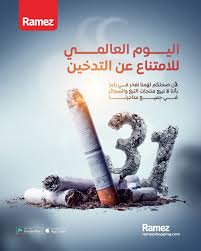
The World Health Organization (WHO) is marking World No Tobacco Day, observed tomorrow on May 31, under the slogan: **"Unmasking the Appeal: Exposing Industry Tactics on Tobacco and Nicotine Products."** The theme reflects growing global concern over modern marketing strategies targeting younger age groups, particularly through new products such as e-cigarettes and heated tobacco products, which are sometimes misleadingly presented as less harmful alternatives. The ultimate goal remains achieving a healthier world with lower smoking rates and stronger healthy lifestyle practices, positively impacting quality of life and sustainable development across societies.
Specialized data indicate that marketing strategies emphasizing attractive elements such as flavors, colors, modern designs, and promotion through social media are designed to attract adolescents and young adults. In many cases, this leads to early nicotine addiction. According to WHO, tobacco kills more than 7 million people annually due to preventable diseases, including cardiovascular diseases, lung cancer, and chronic respiratory illnesses. WHO also stresses that the harmful effects of tobacco extend beyond smokers to non-smokers exposed to secondhand smoke, thereby increasing health risks across communities.
While tobacco remains one of the world's most significant public health challenges, it also imposes a substantial economic burden on countries through healthcare costs associated with treating tobacco-related diseases and productivity losses resulting from illness and premature death. Consequently, tobacco control has become a priority within public health and sustainable development policies.
Specialists in tobacco control emphasize that effective cessation support includes individual counseling, quitlines, nicotine replacement therapies, and digital applications that help users track progress and maintain motivation after quitting. The surrounding environment also plays a critical role in sustaining cessation efforts, as support from family and friends significantly enhances the likelihood of success.
Alongside individual efforts to quit smoking, government interventions remain essential in reducing tobacco use through a comprehensive package of policies, regulations, and public awareness initiatives. These measures are considered the cornerstone of collective tobacco-control efforts. Media awareness campaigns also contribute to correcting misconceptions and exposing misleading tactics employed by some companies.
Anas Adel Qalfa, a specialist in the Wellness Department at the Primary Health Care Corporation (PHCC), stated: "Qatar’s leading efforts in tobacco control are based on an integrated system that combines legislation, prevention, awareness, and smoking cessation services. The state has established clear regulations governing the sale and distribution of tobacco products, including bans on advertising, promotion, and sponsorship of tobacco products; prohibiting sales to individuals under the age of 18; restricting sales near schools and educational and training institutions; and banning smoking in enclosed public places while imposing penalties on violators."
He added: "Compared with experiences in neighboring countries, Qatar’s efforts can be viewed as advanced and comprehensive because they do not rely solely on awareness campaigns. Instead, they combine regulatory policies, enforcement, protection of younger age groups, and direct treatment services for those wishing to quit."
He further noted that "the Primary Health Care Corporation, through its wellness services and smoking cessation clinics, serves as a leading national platform close to the community, providing practical preventive and therapeutic care. Services include medical consultation, pharmacological treatment, and follow-up under the supervision of trained and accredited physicians, supporting individuals throughout their cessation journey and contributing to a healthier society."
Regarding approved protocols for helping individuals quit smoking and stop using tobacco and nicotine products, Qalfa explained: "These protocols are based on the principle that nicotine dependence is a treatable medical condition, not merely a bad habit. Therefore, treatment plans do not begin and end with medication or general advice to stop smoking. Instead, they are built on a comprehensive intervention that includes assessment, behavioral counseling, pharmacological treatment when needed, and regular follow-up."
Globally, WHO confirms that counseling and medication can significantly increase the chances of successfully quitting smoking, and healthcare professionals play a crucial role in transforming the desire to quit into a practical and achievable plan. Overall, tobacco continues to represent a major global health burden. WHO estimates that there are approximately 1.3 billion tobacco users worldwide, resulting in more than 7 million deaths each year, including around 1.6 million among non-smokers due to exposure to secondhand smoke.
Qalfa stressed that WHO data and trends indicate that smoking cessation should be viewed as an ongoing treatment journey rather than a single attempt. "An individual may not succeed on the first try, especially if they use multiple products or live in environments with frequent exposure to tobacco and nicotine."
He highlighted the importance of following a practical treatment plan that includes proper use of cessation therapies, drinking plenty of water, engaging in daily physical activity, maintaining healthy sleep habits, reducing exposure to triggers, avoiding hunger and fatigue, and practicing simple coping techniques such as deep breathing or delaying the decision to use tobacco for ten minutes until cravings subside.
Regarding the role of technology, including smart applications, in supporting smoking cessation programs, Qalfa stated: "Technology should be viewed as a supportive tool rather than an independent treatment. A good application should provide reliable health content, respect user privacy, and reinforce the treatment plan developed by healthcare professionals. The cessation journey begins with a clinic visit where tobacco-use patterns are assessed, triggers and expected symptoms are identified, and a practical plan tailored to the individual is developed. This includes guidance on how to use treatment effectively and how to manage sudden cravings. Some individuals may require longer-term support to reinforce behavior change and prevent relapse."

comments
No Comments