Health news globally
62 Views
Discovery Rebuilds Cartilage Anew
Posted By الجزيرة + الصحافة الأجنبية Al Jazeera Media Network + foreign press |
2026-05-02
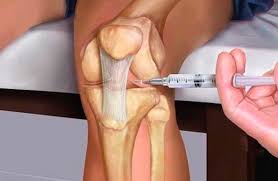
Scientists at Stanford Medicine in California have reached promising findings that could change the future of treating osteoarthritis, after successfully reactivating worn joint cartilage in elderly mice. This breakthrough could pave the way for techniques that repair joints instead of merely relieving pain.
The Advanced Research Projects Agency for Health (ARPA-H) reported that several experimental treatments may help regenerate cartilage and bone in patients suffering from osteoarthritis.
Promising Results
In experiments conducted on mice, the treatment showed encouraging outcomes. The thickness of damaged knee cartilage increased, mobility and walking ability improved, pain indicators decreased, and the progression of osteoarthritis following injuries similar to anterior cruciate ligament (ACL) tears was also prevented.
The findings were not limited to animals. Scientists also tested the treatment on human cartilage samples taken from patients who underwent knee replacement surgery, where promising signs of tissue regeneration and reduced inflammation were observed.
The same experiment was carried out on human tissue samples collected from patients undergoing knee joint replacement surgery. Once again, clear signs of regeneration appeared, with cartilage becoming stronger and inflammatory markers decreasing.
Orthopedic surgeon and scientist Nidhi Bhutani said:
“The mechanism is truly remarkable and has changed our understanding of how tissue regeneration occurs. It is clear that a large group of cells within the cartilage alters its gene expression patterns.”
Why Is This Important?
This development is significant because current osteoarthritis treatments mainly focus on symptom relief, such as painkillers, physical therapy, localized injections, or surgical joint replacement in advanced stages.
In contrast, this new approach aims to address the root cause of the problem — cartilage deterioration and its inability to regenerate — potentially opening the door to more effective and sustainable solutions instead of simply managing pain.
Is the Treatment Available Yet?
Not yet. The findings are still in the pre-clinical stages before large-scale human trials. However, researchers noted that similar compounds have already undergone safety testing, which may accelerate the transition to human studies.
Ultimately, this is not yet a definitive cure, but it is considered one of the most exciting discoveries in joint treatment in recent years. If future human trials prove successful, knee or hip replacement surgeries may become far less common than they are today.

comments
No Comments