Health Information
117 Views
Which arm is better for measuring blood pressure: the right or the left?
Posted By صابر نجاح |
2026-01-23
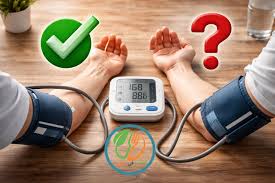
Measuring blood pressure is one of the simplest medical tests, but it requires accuracy in the method and in choosing the appropriate arm to ensure correct results. This raises a common question about which arm is preferred for measurement.
In this context, Al-Consulto explains the best arm for measuring blood pressure, according to Dr. Sayed Al-Murr, Consultant in Internal Medicine.
Is there a better arm for measurement?
Dr. Al-Murr points out that blood pressure may differ slightly between the right and left arms, but he confirms that this difference is usually minor and does not affect diagnosis in most cases. However, there are some medical recommendations:
1. Initial measurement on both arms
It is advised to consult a doctor to measure blood pressure on both arms during the first examination to ensure there is no significant difference. If the difference exceeds 10–15 mmHg, this may indicate a vascular problem and requires follow-up.
2. Relying on the arm with the higher reading
After the initial examination, it is preferable to continue measurements on the arm that consistently shows the higher reading to ensure accurate monitoring of blood pressure levels.
3. Correct arm position
Dr. Al-Murr emphasizes that choosing the arm is not the only factor; the arm should be relaxed, at heart level, with relaxed muscles, to avoid inaccurate results.
When is the difference between the arms important?
The internal medicine consultant explains that a noticeable difference between arm measurements may indicate:
• Narrowing or blockage of the peripheral arteries.
• The presence of vascular diseases that require careful medical evaluation.
Tips for measuring blood pressure correctly
1. Sit calmly for 5 minutes before measurement.
2. Avoid stimulants such as coffee or tea immediately before measurement.
3. Use one consistent arm for daily monitoring after the initial measurement on both arms.
4. Record the readings to discuss them with your doctor, especially if you have chronic conditions such as hypertension or diabetes.

comments
No Comments